Outsourcing Accounting — Benefits and Risks
Outsourcing Accounting — Benefits and Risks. A practical guide with actionable tips for outsourcing and accounting. Learn how to improve your business.
For many Croatian tradespeople and service companies, the daily grind involves hands-on work, client interactions, and project management. Yet, beneath the surface of every successful venture lies a complex web of financial obligations, tax regulations, and bookkeeping tasks that demand significant time and expertise. In fact, a recent survey among small European businesses revealed that owners spend, on average, over 10 hours per week on administrative tasks, with accounting often topping the list. This isn't just a time drain; it's a strategic bottleneck preventing you from focusing on what you do best – growing your core business.
Are you constantly juggling invoices, tax declarations, and payroll, feeling overwhelmed by the ever-changing Croatian tax landscape? Do you worry about making costly errors that could lead to penalties, or missing out on deductions that could save your business money? If so, you're not alone. The decision to manage your accounting in-house or outsource it is one of the most critical strategic choices facing Croatian SMEs today.
This deep dive will explore the multifaceted world of accounting outsourcing, specifically tailored for Operitivo users – Croatian tradespeople and service companies. We'll unpack the compelling benefits, frankly address the inherent risks, and provide actionable insights to help you determine if outsourcing your accounting is the right move for your business right now. Prepare to gain clarity on how this strategic shift could transform your operational efficiency, financial health, and ultimately, your peace of mind.
Key Takeaways
- Strategic Time Reallocation: Outsourcing accounting frees up valuable owner and employee time, allowing Croatian SMEs to focus on core services, client acquisition, and business growth rather than complex financial administration.
- Access to Expert Knowledge: Gain immediate access to specialized accounting and tax expertise, ensuring compliance with intricate Croatian regulations (e.g., PDV, Zakon o računovodstvu) and potentially identifying cost-saving opportunities.
- Cost Efficiency Potential: While an initial outlay, outsourcing can lead to overall cost savings by eliminating the need for in-house accounting staff salaries, benefits, software licenses, and ongoing training.
- Mitigating Operational Risks: Outsourcing can reduce the risk of errors, penalties, and compliance issues, especially with a reputable firm that stays current with Croatian legal changes, offering greater financial security.
- Data Security and Communication are Paramount: Successful outsourcing hinges on robust data security protocols and clear, consistent communication channels between your business and the external accounting provider.
The Growing Pressure on Croatian SMEs: Why Accounting is More Complex Than Ever
Croatian small and medium-sized enterprises (SMEs) are the backbone of the national economy, representing over 99% of all registered businesses and employing a significant portion of the workforce. From plumbers in Split to web designers in Zagreb, these businesses drive innovation and provide essential services. However, the administrative burden, particularly in accounting, has intensified in recent years, making it a significant challenge for many owner-operators.
The Evolving Regulatory Landscape
Croatia's membership in the European Union (EU) has brought about numerous benefits, but also a layer of regulatory complexity. Businesses must now navigate not only national laws like the Zakon o računovodstvu (Accounting Act) and Opći porezni zakon (General Tax Act) but also EU directives impacting areas like VAT (PDV), data protection (GDPR), and cross-border transactions. Staying abreast of these changes requires continuous learning and a dedicated approach.
- Frequent Tax Law Adjustments: The Croatian government frequently introduces changes to tax rates, deductions, and reporting requirements. For instance, recent years have seen adjustments to the corporate income tax rate, changes in VAT application for specific services, and new rules regarding fiscalization. Missing these updates can lead to incorrect filings and penalties.
- Digitalization Mandates: The push for digitalization by the Croatian Tax Administration (Porezna uprava) means more processes are moving online. While beneficial in the long run, it requires businesses to adapt to new digital platforms and submission methods, often adding to the initial administrative load.
- GDPR Compliance: For any business handling client data, adherence to the General Data Protection Regulation (GDPR) is non-negotiable. This extends to financial records, payroll information, and client invoices, requiring secure data handling practices that many small businesses struggle to implement effectively.
The True Cost of In-House Accounting
Many small businesses initially handle accounting internally, either by the owner or a general administrative assistant. While seemingly cost-effective, this approach often incurs hidden costs and inefficiencies:
- Time Investment: Owners divert precious hours from strategic planning, sales, or service delivery to bookkeeping tasks. For a tradesperson, this could mean less time on-site or less time spent quoting new jobs.
- Lack of Specialized Knowledge: Unless you have a background in accounting, you might lack the specific expertise to optimize tax positions, navigate complex deductions, or prepare accurate financial statements required for loans or grants.
- Risk of Errors and Penalties: Mistakes in tax calculations, late filings, or incorrect reporting can result in significant financial penalties from the Porezna uprava. These fines can be substantial for an SME.
- Software and Training Costs: Maintaining up-to-date accounting software, subscribing to legal databases, and continuous professional development for internal staff (if any) represent ongoing expenses.
- Scalability Issues: As your business grows, the complexity and volume of accounting tasks increase. An in-house, non-specialized approach quickly becomes unsustainable.
📊 Podatak: Research suggests that Croatian SMEs using manual accounting processes spend up to 25% more time correcting errors compared to those utilizing digital solutions, highlighting a significant inefficiency.
The cumulative effect of these pressures often leads business owners to a critical juncture: continue struggling with in-house accounting or seek external support.
Understanding Accounting Outsourcing: What It Is and How It Works
Accounting outsourcing involves delegating some or all of your business's financial tasks to an external third-party provider. This isn't just about handing over a shoebox of receipts; it's a strategic partnership designed to enhance efficiency, reduce costs, and ensure compliance. For Croatian tradespeople and service companies, this can mean a significant shift in how financial operations are managed.
What Services Can Be Outsourced?
The scope of outsourced accounting services is broad and can be customized to your specific needs. Common services include:
- Bookkeeping (Knjigovodstvo): Recording daily financial transactions, managing ledgers, and reconciling bank statements. This is often the most common starting point for outsourcing.
- Payroll Processing (Obračun plaća): Calculating salaries, deductions, taxes, and issuing payslips in compliance with Croatian labor laws and social security contributions.
- VAT (PDV) Calculations and Filings: Preparing and submitting periodic VAT returns, ensuring correct application of various VAT rates and exemptions.
- Financial Statement Preparation: Generating profit and loss statements, balance sheets, and cash flow statements for internal analysis, bank loans, or investor reports.
- Tax Preparation and Planning: Preparing annual corporate income tax returns, individual income tax returns for owners, and providing strategic advice to minimize tax liabilities within legal frameworks.
- Financial Consulting and Analysis: Offering insights into your business's financial performance, budgeting, forecasting, and advising on financial strategies for growth.
- Compliance Reporting: Ensuring all necessary reports are submitted to the Croatian Tax Administration, Statistical Office (DZS), and other regulatory bodies on time.
How Does the Process Typically Work?
The outsourcing process usually follows a structured approach to ensure smooth data flow and clear responsibilities:
- Initial Assessment & Needs Analysis: The accounting firm will assess your current financial processes, business size, industry, and specific requirements to propose a tailored service package.
- Agreement & Contract (Ugovor): A detailed contract outlining the scope of services, fees, reporting schedules, data security protocols, and termination clauses is signed. This is crucial for setting expectations.
- Data Transfer & System Integration: You'll typically provide access to your financial records, bank statements, invoices, and other relevant documents. Modern outsourced accounting firms often work with cloud-based platforms, sometimes integrating directly with your existing business management software like Operitivo for seamless data exchange.
- Ongoing Operations:
- You send your financial documents (invoices, receipts, bank statements, payroll data) regularly, often digitally.
- The outsourced team processes these transactions, performs reconciliations, and prepares reports.
- They handle all tax filings and compliance requirements on your behalf.
- Communication & Reporting: Regular communication through scheduled meetings, emails, or a dedicated client portal ensures you're informed about your financial health and any emerging issues. You receive periodic financial reports.
💡 Savjet: When evaluating outsourcing partners, inquire about their experience with businesses similar to yours in Croatia and their familiarity with specific industry regulations (e.g., construction, tourism, IT services).
The Undeniable Benefits of Outsourcing Accounting for Your Croatian Business
For many Croatian SMEs, the decision to outsource accounting can be a game-changer, offering a multitude of advantages that go beyond simply delegating tasks. These benefits can significantly impact your bottom line, operational efficiency, and strategic focus.
1. Cost Savings and Efficiency
While it might seem counterintuitive to pay an external firm, outsourcing often leads to substantial cost savings compared to an in-house accounting department.
- Reduced Overhead: You eliminate salaries, benefits (health insurance, pension contributions), sick leave, and vacation pay associated with employing an in-house accountant. In Croatia, these employer costs can add 30-40% on top of the net salary.
- No Software or Training Costs: The outsourcing firm bears the cost of accounting software licenses, updates, and continuous professional development for its staff to stay current with Croatian tax laws.
- Scalability without Fixed Costs: As your business grows or contracts, your accounting needs can be adjusted without the fixed costs of hiring or laying off staff. You pay for what you need.
- Tax Optimization: Experienced outsourced accountants can identify legitimate deductions and tax credits specific to Croatian law and your industry, potentially reducing your overall tax burden.

2. Access to Specialized Expertise
Croatian tax and accounting laws are complex and frequently change. Keeping up requires dedicated expertise that a general administrative assistant or even a business owner might not possess.
- Up-to-Date Knowledge: Reputable accounting firms employ certified professionals who are constantly updated on the latest changes in
Zakon o PDV-u(VAT Act),Zakon o porezu na dobit(Corporate Income Tax Act), and other relevant legislation. - Error Reduction: Expert handling of your books significantly reduces the likelihood of costly errors, misfilings, or non-compliance, safeguarding your business from penalties.
- Strategic Financial Advice: Beyond basic bookkeeping, an outsourced accountant can act as a financial advisor, offering insights into cash flow management, profitability analysis, and strategic growth planning tailored to the Croatian market.
3. Focus on Core Business Activities
This is perhaps the most significant benefit for tradespeople and service providers. Your expertise lies in your craft – plumbing, electrical work, graphic design, consulting – not in reconciling bank statements.
- Reclaim Your Time: By delegating accounting tasks, you free up substantial time to focus on service delivery, client relations, marketing, and business development. This direct investment in your core business can lead to increased revenue and customer satisfaction.
- Improved Productivity: Employees who were previously tasked with accounting duties can now dedicate their full attention to their primary roles, improving overall operational efficiency.
- Reduced Stress: The constant worry about financial compliance and deadlines can be a major source of stress for business owners. Outsourcing provides peace of mind, knowing your finances are in expert hands.
4. Enhanced Data Security and Compliance
While data security is also a risk, a professional outsourcing firm often has more robust security measures than a small business might implement internally.
- Professional Security Protocols: Reputable firms invest heavily in cybersecurity, data encryption, secure cloud storage, and regular backups to protect your sensitive financial information from breaches or loss.
- GDPR Adherence: They are typically well-versed in GDPR requirements and implement practices to ensure your client and employee data is handled and stored in full compliance with EU regulations.
- Audit Readiness: With professionally maintained books and records, your business will be better prepared for potential audits by the Croatian Tax Administration, minimizing disruption and ensuring a smoother process.
5. Scalability and Flexibility
As your business evolves, your accounting needs will too. Outsourcing offers unparalleled flexibility.
- Adapt to Growth: If your business expands rapidly, your outsourced accounting partner can quickly scale up their services without you needing to hire additional staff or invest in new infrastructure.
- Handle Seasonal Fluctuations: For businesses with seasonal peaks and troughs, outsourcing allows you to adjust the level of service and associated costs, avoiding the inefficiency of maintaining full-time staff during slow periods.
- Access to New Technologies: Outsourcing firms often leverage the latest accounting software and digital tools, ensuring your business benefits from technological advancements without direct investment. This is where platforms like Operitivo can seamlessly integrate, providing the necessary operational data to your outsourced accountant.
For example, a construction company using Operitivo to manage projects, generate invoices, and track expenses can easily share this structured data with their outsourced accounting firm, streamlining the entire financial reporting process. This synergy ensures that operational efficiency translates directly into accurate and timely financial records.
Navigating the Risks: Potential Pitfalls of Offloading Your Books
While the benefits of outsourcing accounting are compelling, it's crucial for Croatian SMEs to approach this decision with a clear understanding of the potential risks. Mitigating these risks requires careful planning, due diligence, and robust communication.
1. Loss of Control and Oversight
Delegating financial tasks can lead to a feeling of losing direct control over a critical aspect of your business.
- Reduced Visibility: Without an in-house presence, you might have less immediate insight into daily financial transactions or the status of specific accounts. This can make it harder to react quickly to financial anomalies.
- Dependency on External Provider: Your business becomes reliant on the outsourced firm for timely and accurate financial information. Any delays or errors on their part can directly impact your operations.
- Difficulty in Ad-Hoc Queries: Getting immediate answers to complex financial questions might take longer if you need to go through an external communication channel rather than asking an in-house team member.
2. Data Security and Confidentiality Concerns
Entrusting sensitive financial data to a third party always carries inherent security risks, especially in an increasingly digital world.
- Breaches and Leaks: The outsourced firm might be targeted by cyberattacks, or internal errors could lead to your confidential financial data (client lists, payroll, bank details) being compromised.
- Compliance with GDPR: While reputable firms adhere to GDPR, ensuring your chosen partner has robust data protection policies and infrastructure is paramount. A breach could lead to severe penalties under Croatian and EU law.
- Insider Threats: Even with external providers, there's a risk of data misuse by employees of the accounting firm if proper internal controls are not in place.
3. Communication Challenges
Effective communication is the cornerstone of any successful partnership, and it can be a significant hurdle in outsourcing.
- Misunderstandings: Differences in communication styles, expectations, or even technical terminology can lead to errors or delays.
- Responsiveness: An outsourced firm serving multiple clients might not offer the same immediate responsiveness as an in-house employee.
- Cultural and Language Barriers: While less common within Croatia, if outsourcing to a firm that serves international clients, subtle cultural differences or language nuances could occasionally lead to misinterpretations.
4. Quality of Service and Accountability
Not all accounting firms are created equal. The quality of service can vary significantly, impacting your business.
- Inconsistent Quality: You might encounter varying levels of expertise, attention to detail, or proactive advice, leading to frustration or even financial inaccuracies.
- Lack of Accountability: If errors occur, determining who is responsible (your business for providing incorrect data, or the outsourcing firm for processing it incorrectly) can be challenging without a clear contract.
- High Turnover: If the outsourcing firm experiences high staff turnover, you might constantly deal with new contacts who are unfamiliar with your business's specific history and needs.
5. Integration Issues with Internal Systems
While Operitivo aims to streamline operations, integrating your internal systems with an external accounting provider requires careful planning.
- Software Compatibility: Ensuring your internal invoicing, project management, and expense tracking tools (like Operitivo) can seamlessly share data with the accounting firm's software can sometimes be a technical challenge.
- Process Alignment: Your internal financial processes need to align with the outsourced firm's workflows to avoid bottlenecks or duplicated efforts.
- Training Needs: Your team might need training on how to properly record and submit data to the outsourced accountant to maintain efficiency.
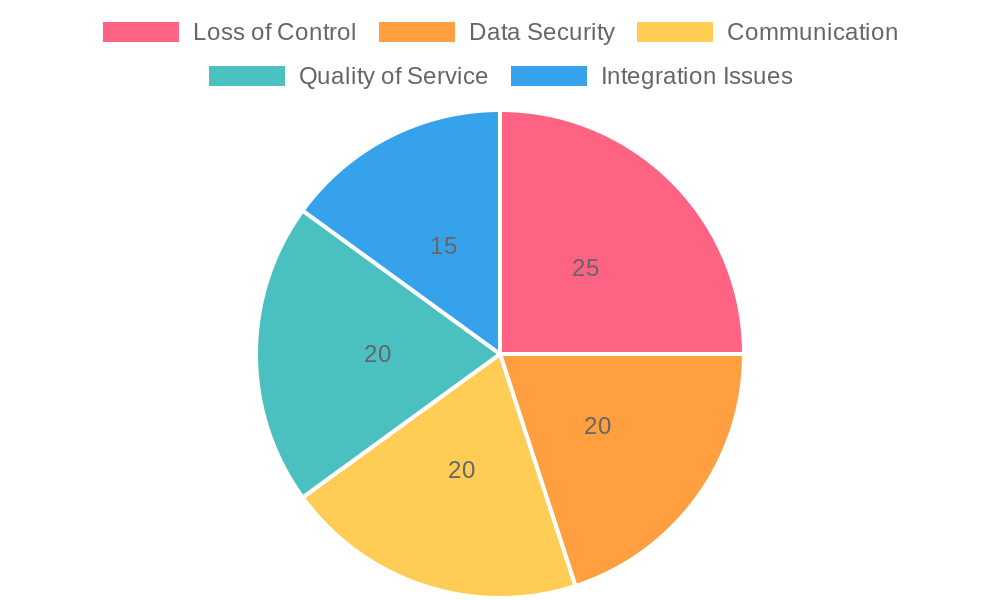
⚠️ Važno: Never choose an outsourced accounting partner based solely on price. The cheapest option may lead to significant long-term costs due to errors, non-compliance, or poor service quality. Prioritize expertise, reputation, and robust security measures.
Choosing the Right Partner: A Step-by-Step Guide for Croatian Tradespeople
Selecting the right accounting outsourcing partner is perhaps the most critical step in ensuring a successful transition. For Croatian tradespeople and service companies, this process should be thorough and strategic.
Step 1: Define Your Needs and Budget
Before you even start looking, clearly articulate what you need.
- List Required Services: Do you need full-scope accounting (bookkeeping, payroll, tax, consulting) or just specific tasks like annual tax filings?
- Identify Pain Points: What are your biggest accounting challenges currently? (e.g., time, compliance, specific reports).
- Determine Your Budget: What are you willing to invest? Remember to consider the potential cost savings from outsourcing.
- Consider Technology Integration: How will your current systems (like Operitivo for invoicing and project management) integrate with the outsourced firm's processes?
Step 2: Research and Shortlist Potential Providers
Look for firms specializing in or having significant experience with Croatian SMEs, especially in your sector.
- Online Search: Use keywords like "računovodstveni servis za obrtnike," "outsourcing knjigovodstvo Hrvatska," "računovodstvo za d.o.o."
- Referrals: Ask fellow business owners in your network for recommendations. Personal referrals often lead to trusted partners.
- Professional Associations: Check with Croatian accounting associations for lists of certified firms.
- Check Credentials: Verify that the firm and its key personnel are certified accountants (ovlašteni računovođa) in Croatia.
Step 3: Conduct Thorough Due Diligence
Once you have a shortlist, delve deeper into each candidate.
- Experience and Specialization:
- How long have they been in business?
- Do they have experience with businesses of your size and in your industry (e.g., construction, hospitality, IT)?
- Are they knowledgeable about specific Croatian regulations relevant to your business type (e.g., paušalni obrt, d.o.o.)?
- Reputation and References:
- Check online reviews and testimonials.
- Ask for client references, preferably from businesses similar to yours, and actually contact them.
- Technology and Security:
- What accounting software do they use? Is it cloud-based?
- What are their data security protocols (encryption, backups, access control)?
- How do they ensure GDPR compliance?
- Can they integrate with your existing tools, or will they provide a portal for data exchange?
- Communication and Responsiveness:
- How will they communicate with you (email, phone, dedicated portal)?
- What are their typical response times?
- Will you have a dedicated account manager?
Step 4: Request Detailed Proposals and Compare
Ask each shortlisted firm for a comprehensive proposal based on your defined needs.
- Service Scope: Ensure the proposal clearly lists all services included.
- Fee Structure: Understand how they charge (hourly, fixed monthly fee, per transaction). Watch out for hidden costs.
- Reporting: What financial reports will you receive, how often, and in what format?
- Contract Terms: Pay close attention to contract length, termination clauses, and service level agreements (SLAs).
Step 5: Interview and Evaluate
Meet with the key personnel who will be working on your account.
- Ask Specific Questions: Probe their understanding of your business challenges and how they plan to address them.
- Assess Cultural Fit: Can you establish a good working relationship? Trust and clear communication are vital.
- Review the Contract Carefully: If necessary, have a legal professional review the contract, especially concerning liability, data security, and dispute resolution.
Step 6: Onboarding and Integration
Once you've made your choice, a smooth onboarding process is crucial.
- Establish Data Exchange Protocols: Define how documents (invoices from Operitivo, bank statements, receipts) will be shared securely and efficiently.
- Set Up Regular Communication: Schedule regular check-ins and define preferred communication channels.
- Initial Data Transfer: Work closely with the new firm to transfer historical financial data accurately.
- Educate Your Team: Ensure your internal team understands their role in the new process (e.g., how to log expenses that the outsourced firm will process).
By following these steps, Croatian SMEs can significantly increase their chances of finding an outsourced accounting partner that truly adds value to their business.
Legal and Regulatory Landscape: What Croatian SMEs Must Know
Navigating the legal and regulatory environment is one of the primary reasons Croatian SMEs consider outsourcing accounting. A competent outsourced partner will be your guide, but understanding the basics of your obligations remains crucial.
Key Croatian Accounting and Tax Laws
Your outsourced accounting firm will ensure compliance with these, but knowing them helps you ask the right questions and understand your responsibilities.
- Zakon o računovodstvu (Accounting Act): This act defines the principles of accounting, financial reporting requirements, and who is obligated to keep books. It mandates that financial statements must present a true and fair view of the entity's financial position and performance.
- Opći porezni zakon (General Tax Act): This overarching law governs tax procedures, taxpayer rights and obligations, tax administration powers, and penalties for non-compliance.
- Zakon o porezu na dobit (Corporate Income Tax Act): Relevant for d.o.o. (limited liability companies), this law defines taxable income, deductible expenses, tax rates, and filing deadlines.
- Zakon o porezu na dohodak (Income Tax Act): Primarily for obrtnici (craftsmen/sole proprietors) and individuals, this act governs personal income tax, including various categories of income and deductions.
- Zakon o porezu na dodanu vrijednost (VAT Act - PDV): Crucial for most businesses, this law dictates VAT registration thresholds, rates (standard 25%, reduced 13% and 5%), invoicing requirements, and reporting obligations.
- Zakon o radu (Labor Act): While primarily labor law, it impacts payroll processing, defining rules for wages, working hours, annual leave, and termination, which your outsourced payroll service must adhere to.
- GDPR (General Data Protection Regulation): As an EU member state, Croatia fully applies GDPR. This is critical for handling any personal data, including employee payroll records and client information. Your accounting firm must be GDPR compliant.
Your Responsibilities Even When Outsourcing
While you delegate tasks, the ultimate legal responsibility for accurate financial reporting and tax compliance remains with your business.
- Providing Accurate Information: You are responsible for providing your outsourced accountant with complete and accurate financial data, invoices, receipts, and bank statements in a timely manner.
- Reviewing and Approving: You must review financial reports, tax declarations, and other documents prepared by your accountant before submission. Blindly signing off on documents is a significant risk.
- Understanding Your Obligations: Even if you outsource, you should have a basic understanding of your tax and accounting obligations to effectively oversee your accounting partner.
- Data Security: While the outsourced firm is responsible for securing the data they handle, you must ensure your internal data handling practices (before data is sent to them) are also secure.
💡 Savjet: Regularly check the website of the Croatian Tax Administration (Porezna uprava) for official announcements and changes to tax laws. A good outsourced accountant will inform you, but staying generally aware is good practice. Porezna uprava RH
The Importance of a Solid Contract
A detailed written contract (ugovor) with your outsourced accounting firm is your first line of defense against potential issues. It should clearly stipulate:
- Scope of Services: Exactly what services are included and excluded.
- Reporting Schedule: When and how you will receive financial reports and updates.
- Fees and Payment Terms: Clear breakdown of costs, billing cycle, and any additional charges.
- Data Security and Confidentiality: Explicit clauses detailing how your data will be protected, stored, and processed in compliance with GDPR and Croatian law.
- Liability and Indemnification: What happens if the accounting firm makes an error leading to penalties? Who is responsible?
- Communication Protocols: How will information be exchanged? Who are the points of contact?
- Dispute Resolution: How will disagreements be handled?
- Termination Clause: Conditions under which either party can terminate the agreement.
By understanding the legal framework and your ongoing responsibilities, you can better manage your outsourced accounting relationship and ensure your Croatian business remains compliant and financially sound.
Integrating Outsourced Accounting with Your Business Operations (and Operitivo)
The real power of outsourcing accounting for Croatian SMEs comes from its seamless integration with your daily business operations. This is where modern business management platforms like Operitivo play a pivotal role, creating a harmonious ecosystem for efficiency.
The Synergy of Operitivo and Outsourced Accounting
Operitivo is designed to be the central hub for tradespeople and service companies, managing projects, clients, invoicing, and expenses. When combined with an outsourced accounting partner, it creates a powerful streamlined workflow:
- Centralized Data Collection: Operitivo captures essential financial data at its source:
- Invoicing: All invoices generated through Operitivo are accurate, compliant, and immediately available.
- Expenses: Tracked expenses within Operitivo provide a clear digital trail.
- Project Costs: Detailed project costing helps identify profitability and informs financial reporting.
- Timesheets: For service companies, tracked time can be linked directly to billing and payroll.
- Digital Document Flow: Instead of physical receipts and paper invoices, Operitivo facilitates a digital-first approach. This digital documentation is easily shared with your outsourced accountant, reducing manual data entry and improving accuracy.
- Reduced Manual Input for Accountants: When your operational data is well-organized in Operitivo, your outsourced accountant spends less time on data entry and more time on analysis, compliance, and strategic advice. This can lead to more cost-effective accounting services.
- Enhanced Reporting: The operational data from Operitivo, combined with financial data processed by your accountant, can provide richer insights. For example, your accountant can use Operitivo's project profitability reports to advise on pricing strategies or cost optimization.
Practical Steps for Seamless Integration
To maximize the benefits of outsourcing with Operitivo as your operational backbone, consider these practical steps:
- Standardize Your Data Entry in Operitivo:
- Consistent Categorization: Ensure all expenses, invoices, and project costs are categorized consistently within Operitivo. This makes it easier for your accountant to interpret and process.
- Complete Information: Make sure all invoices include necessary Croatian legal requirements (OIB, PDV ID, company details).
- Establish Clear Data Transfer Protocols:
- Regular Exports: Determine a schedule for exporting financial data from Operitivo (e.g., monthly summary reports, invoice lists, expense logs) to your accountant.
- Secure Sharing: Utilize secure cloud storage, encrypted email, or a dedicated client portal provided by your accounting firm for data exchange. Avoid insecure methods.
- Define Roles and Responsibilities:
- Your Role: What data will you input into Operitivo? What documents will you scan and upload?
- Accountant's Role: What data will they retrieve from Operitivo (or your shared folder)? What reports will they generate? Who handles communications with the Porezna uprava?
- Set Up Regular Review Meetings:
- Monthly/Quarterly Check-ins: Use these meetings to discuss financial performance, address any discrepancies, and review upcoming tax obligations.
- Performance Metrics: Discuss key financial performance indicators (KPIs) relevant to your business, leveraging data from Operitivo and your accounting reports.
- Leverage Operitivo for Internal Control:
- Approval Workflows: Use Operitivo's features to implement internal approval processes for invoices or significant expenses before they are sent to the accountant, maintaining internal control.
- Budget Tracking: Compare actual expenses and revenues from Operitivo against your budget to stay on track.
| Aspect | Before Outsourcing + Operitivo (Manual) | After Outsourcing + Operitivo (Integrated) | | :------------------- | :------------------------------------------------------- | :------------------------------------------------------------------------ | | Invoice Handling | 📝 Print/email, manual entry into spreadsheet, physical archiving | ➡️ Generate in Operitivo, digital export to accountant, cloud archive | | Expense Tracking | 🧾 Keep physical receipts, manual categorization | 📸 Scan/upload to Operitivo, auto-categorize, digital share with accountant | | Payroll Data | ⏳ Manual calculation, separate communication with payroll provider | ⚙️ Time tracking in Operitivo, export to accountant for processing | | Financial Reports | 📉 Basic, often delayed, prone to manual error | ✅ Timely, accurate, detailed, accessible, informed by operational data | | Time Spent | ⏰ High owner/admin time on tedious tasks | 🚀 Owner/admin focus on core business, strategic oversight |
By thoughtfully integrating Operitivo into your outsourced accounting workflow, Croatian SMEs can not only offload the burden of bookkeeping but also gain a powerful, data-driven perspective on their business's financial health and operational efficiency.
Expert Tips
For Croatian tradespeople and service companies considering or already using outsourced accounting, these expert tips can help maximize benefits and mitigate risks.
✅ Do's:
- ✅ Invest in Clear Communication: Establish a primary point of contact and agree on communication channels (email, phone, dedicated portal). Schedule regular check-ins (e.g., monthly) to discuss performance and address questions.
- ✅ Define the Scope of Work Explicitly: Ensure your contract clearly outlines every service included and excluded. Ambiguity leads to frustration and unexpected costs. For example, clarify if financial consulting is extra.
- ✅ Leverage Technology for Data Flow: Utilize platforms like Operitivo to centralize your operational data (invoices, expenses, project costs). This streamlines information transfer to your outsourced accountant, making their job easier and potentially reducing your costs.
- ✅ Understand Your Role in the Process: Even when outsourcing, you are responsible for providing timely, accurate, and complete documentation. Develop an internal system for collecting and transmitting financial data to your accountant.
- ✅ Perform Regular Reviews: Don't just set it and forget it. Regularly review financial reports, question anything unclear, and ensure your accountant is proactive in advising on tax changes or opportunities relevant to your Croatian business.
❌ Don'ts:
- ❌ Don't Choose Based Solely on Price: The cheapest option can often lead to costly errors, lack of expertise, or poor service. Prioritize experience, reputation, and a good cultural fit over minimal cost differences.
- ❌ Don't Neglect Data Security: Never use insecure methods (like unencrypted email) to send sensitive financial data. Ensure your outsourced partner has robust cybersecurity measures and is GDPR compliant.
- ❌ Don't Hesitate to Ask Questions: If you don't understand a report, a tax implication, or a recommendation, ask for clarification. It's your business, and you need to understand its financial health.
- ❌ Don't Assume Knowledge: Your outsourced accountant might not be intimately familiar with every nuance of your specific trade or service. Provide context and explain industry-specific practices that might impact financial reporting.
- ❌ Don't Underestimate the Contract: A vague contract is a recipe for disaster. Ensure all terms, from service level agreements to liability clauses, are clear and legally sound, especially concerning Croatian laws.
Frequently Asked Questions
### Is outsourcing accounting suitable for very small Croatian businesses (e.g., paušalni obrt)?
Yes, outsourcing can be highly beneficial even for paušalni obrt (flat-rate sole proprietors). While their accounting is simpler, an outsourced expert ensures correct income tracking, timely tax payments, and compliance with the specific rules for this advantageous tax regime, freeing up the owner's time.
### How much does outsourced accounting typically cost in Croatia?
Costs vary significantly based on the scope of services, business size, and transaction volume. For basic bookkeeping and annual tax filings, a small Croatian SME might expect to pay anywhere from €100 to €400+ per month, with more comprehensive services costing more. Always get a detailed quote.
### What if my outsourced accountant makes a mistake that leads to a penalty?
The liability for errors should be clearly defined in your contract. Reputable accounting firms typically carry professional indemnity insurance to cover such eventualities. However, the ultimate legal responsibility for accurate financial reporting often remains with the business owner, emphasizing the need for careful review.
### How can I ensure my financial data is secure with an external provider?
Look for firms that emphasize data security in their proposals, use secure cloud platforms, offer two-factor authentication, and are transparent about their GDPR compliance. Ask about their backup procedures and access controls, and ensure your contract includes strong confidentiality clauses.
### Can an outsourced accountant help with tax planning and optimization in Croatia?
Absolutely. One of the key benefits of outsourcing is gaining access to expert tax advice. A good outsourced accountant will proactively identify legal deductions, credits, and strategies specific to Croatian tax law to help minimize your tax burden and improve your business's financial efficiency.
### Do I still need to use my business management software like Operitivo if I outsource accounting?
Yes, platforms like Operitivo remain crucial. They manage your daily operational data (invoicing, projects, expenses) at the source. Your outsourced accountant then uses this organized data from Operitivo for their financial processing, creating a seamless and efficient workflow.
Conclusion
The decision to outsource accounting is a pivotal one for any Croatian SME, particularly for tradespeople and service companies striving for operational excellence. While the path involves navigating both compelling benefits and inherent risks, the potential for increased efficiency, access to expert knowledge, and a renewed focus on your core business is undeniable. By strategically offloading the complexities of bookkeeping and tax compliance, you reclaim invaluable time and peace of mind, empowering your business to grow and thrive in Croatia's dynamic economic landscape.
Embrace the future of business management by considering how a trusted outsourced accounting partner, seamlessly integrated with the powerful capabilities of Operitivo, can transform your financial operations. Don't let administrative burdens hold you back. Explore how Operitivo can streamline your project management, invoicing, and expense tracking, creating a solid foundation for any outsourced accounting solution. Visit operitivo.com today to discover how our platform can become the central nervous system for your efficient and compliant business, allowing you to build, create, and serve with confidence.
Related Articles
Cash Flow Management Tips for a Stable Business
Cash Flow Management Tips for a Stable Business. A practical guide with actionable tips for cash flow and management. Learn how to improve your business.
Business Plan for Small Companies — Free Template
Business Plan for Small Companies — Free Template. A practical guide with actionable tips for business plan and template. Learn how to improve your business.
Handling Customer Complaints — How to Keep Clients Happy
Handling Customer Complaints — How to Keep Clients Happy. A practical guide with actionable tips for complaints and clients. Learn how to improve your business.